


foucault current separator
The solution for the extraction of non-ferrous metals: Drago Electrónica’s Foucault’s current separators
for the extraction and separation of all types of non-ferrous metal, such as aluminum, copper, zinc, or brass, in material processing where this type of metal may be present.
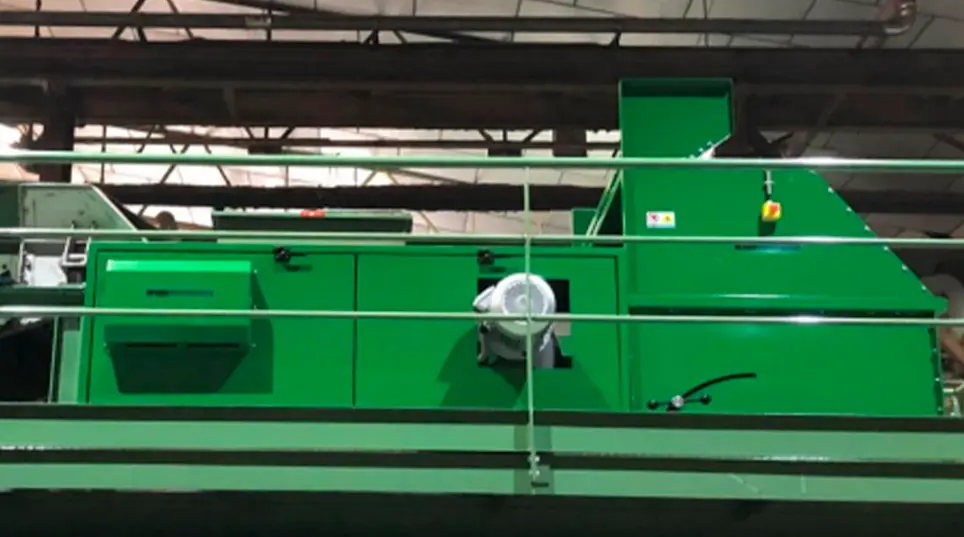
Separating non-ferrous from ferrous metals for classification
Sorting technologies are important for conserving resources and for the circular economy.
In many industrial processes where contamination by both ferrous and non-ferrous metals can exist, it is necessary to use an eddy current metal separation system. This system detects and extracts the non-ferrous metals that a permanent magnet or electromagnet is unable to capture. The most common applications for this technology include:
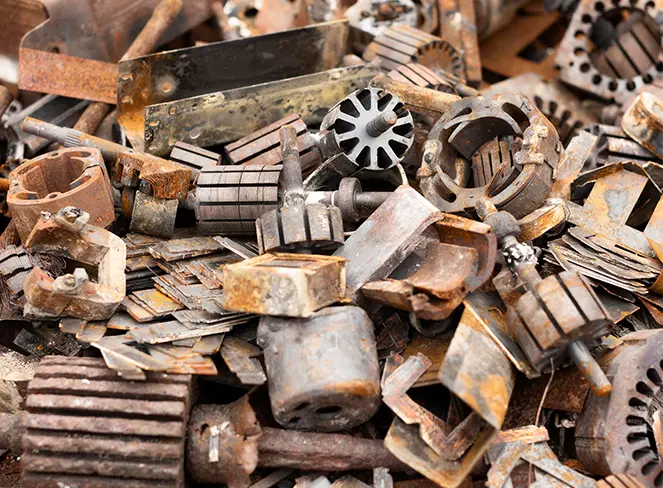
Metal
Recycling
Once the ferrous metals are extracted, the eddy currents separate the non-ferrous ones from the rest of the waste stream.

Extraction of heavy
non-ferrous metals
Used in the recycling of wood, municipal solid waste (for can extraction), glass, plastic, and incineration ashes.
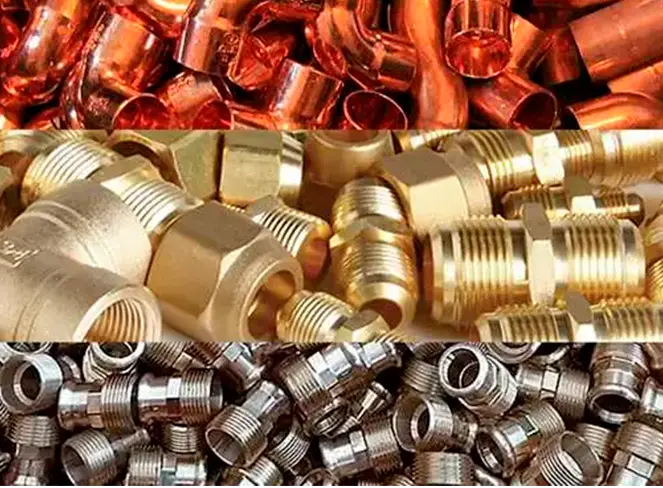
Recovery of
metal slags
For the separation of aluminum, copper, bronze, and any other non-ferrous metal.
What are Focault’s currents and how are they generated?
An Eddy Current Separator consists of a short conveyor belt whose head pulley is built with high-gradient Neodymium-Iron-Boron magnets that rotate at high speed.
This system of rotating poles generates a powerful magnetic field. This field causes the non-ferrous metals to be ejected on a different trajectory from the inert material, resulting in the separation of metals such as aluminum, zinc, or brass.